
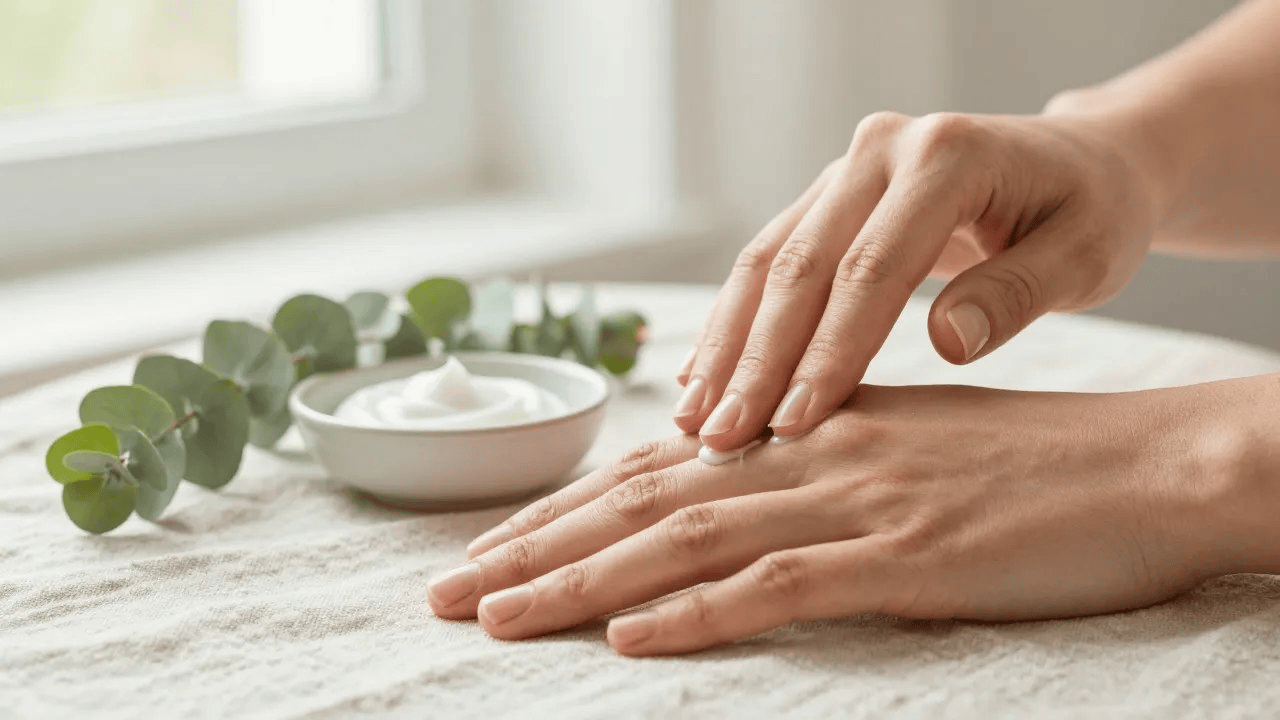
Your nails can reveal a lot about how you treat your body. Maybe they peel in thin layers, split at the tips, or snap the moment they grow past your fingertips. In fact, you are far from alone. Brittle nail syndrome affects roughly 20% of people, and women experience it about twice as often as men. The good news? Once you understand what weakens your nails, you can help them grow back strong and resilient.
What Brittle Nails Actually Are
Every fingernail is built from tightly packed layers of a protein called keratin. Water and natural lipids sit between those layers, acting like mortar between bricks. When that mortar breaks down, the layers start to separate. As a result, the surface peels, flakes, or cracks.
Dermatologists describe two main patterns. The first, onychoschizia, shows up as horizontal peeling at the free edge. The second, onychorrhexis, appears as vertical ridges and lengthwise splits. In other words, one problem starts at the tip, while the other begins deeper at the nail matrix.
Fragility also becomes more common with age. According to a review in Skin Appendage Disorders, nail fragility is especially common in women over 50. That said, busy routines, frequent handwashing, and harsh products can cause problems at any age.
Why Your Nails Keep Breaking
Water is the most surprising culprit. Every time you soak your hands, the keratin absorbs water and swells. Then, as it dries, it shrinks again. This constant swelling and shrinking loosens the bonds between keratin layers over time. For this reason, the American Academy of Dermatology recommends wearing gloves when you wash dishes or clean.
Harsh chemicals add to the damage. Acetone-based polish removers, cleaning sprays, and alcohol sanitizers strip away the natural oils that keep keratin flexible. Similarly, frequent gel manicures can thin the nail plate. This is especially true when you peel or scrape off the polish.
Your environment matters as well. As the weather turns cooler, indoor heating and dry air pull moisture from your skin. Consequently, many people notice more splitting in fall and winter. Rough habits, such as opening cans with your fingertips, only make things worse.
Even your phone plays a part. Typing and tapping create tiny, repeated impacts on your fingertips. Over time, those small stresses can chip an edge that is already weak. Therefore, try typing with the pads of your fingers, especially when your tips feel fragile.
The Nutrition Connection
What you eat shows up at your fingertips. According to Mayo Clinic, low levels of iron and other nutrients can contribute to weak, brittle nails. Additionally, an underactive thyroid can dry out your hair, skin, and nails. If anything changes suddenly, a quick checkup with your doctor is always a smart first step.
Protein matters too, because keratin is a protein. Your body needs a steady supply of amino acids to build it. Therefore, a diet low in protein can slow growth and thin the plate. Furthermore, nutrients like vitamin C and copper support the collagen network in the nail bed below.
Hydration plays a supporting role. However, drinking more water alone won’t fix brittle nails. Instead, think of nutrition and topical care as two halves of the same routine. For a deeper look at how collagen works in your body, see [INTERNAL LINK: related blog post “Collagen: How Peptides Support Skin Health and Fight Aging”].
What the Research Actually Shows
Biotin is the most studied nutrient for nail health. In a 1990 study published in the Journal of the American Academy of Dermatology, people who took biotin daily saw their nail thickness increase by about 25%. Similarly, a 1993 study found that most participants with brittle nails improved on daily biotin.
Collagen has promising data as well. In a 2017 trial, 25 adults took 2.5 grams of collagen peptides daily for 24 weeks. Their nails grew 12% faster, and broken nails dropped by 42%. Moreover, 64% of participants showed clear overall improvement.
These studies were small, so they aren’t the final word. Still, they point in the same direction. Nutrients that feed keratin and collagen can help your body build stronger nails from within.
Daily Habits That Make a Real Difference
Small changes add up quickly. First, wear gloves for dishwashing, cleaning, and gardening. Next, moisturize your hands and cuticles after every wash. The AAD suggests a rich, ointment-based product, because it seals moisture into the nail plate.
Shape matters, too. Trim straight across, then round the tips slightly for extra strength. When you file, move in one direction rather than sawing back and forth. As a result, you’ll avoid the tiny tears that turn into splits.
Finally, rethink your polish routine. Choose an acetone-free remover whenever you can. Take breaks between gel manicures, and never peel off gel polish yourself. Ultimately, gentle care gives new growth a fair chance to come in healthy.
A Simple Weekly Routine for Stronger Tips
Good intentions fade fast without a plan. For that reason, it helps to build a short weekly ritual. It takes about ten minutes, and you can do it while you watch a show.
Start by washing your hands with a gentle, fragrance-free cleanser. Next, pat them dry and file any snags in one direction. Then, gently push back your cuticles with a soft towel rather than cutting them. Your cuticles act as a seal, so trimming them opens the door to irritation.
After that, massage a rich cream or oil into each fingertip. Focus on the sides and the base, where new growth begins. Finally, on busy nights, apply a thick layer of cream and sleep in cotton gloves. You’ll wake up to softer hands and more flexible nails.
Throughout the week, keep a small tube of hand cream by every sink. That way, moisturizing becomes automatic instead of something you have to remember.
How Cooler Weather Changes Your Hand Care
Fall is when many people first notice splitting and peeling. The reason is simple. Cooler air holds less moisture, and indoor heating dries the air even further. As a result, your skin and keratin lose water faster than you can replace it.
Because of this, your summer routine may not be enough right now. Switch from a light lotion to a thicker cream or balm as temperatures drop. Additionally, wear gloves outdoors on cold, windy days. A humidifier in your bedroom can also help, especially if your hands feel tight in the morning.
“My Nails Are Just Naturally Weak”
Many people assume brittle nails are simply genetic. Admittedly, genetics play a small role for some people. However, most nail brittleness is acquired. Water exposure, harsh products, aging, and nutrition drive the majority of cases.
Here’s the key reason your nails can change: they are constantly renewing. According to a study in the Journal of the European Academy of Dermatology and Venereology, fingernails grow about 3.47 millimeters per month. In other words, you grow a completely new fingernail roughly every six months. Every healthy habit you start today shows up in that new growth.
Of course, patience matters here. You won’t see a transformation overnight. Still, many people notice smoother, tougher growth near the cuticle within the first two months.
“Supplements Don’t Really Do Anything for Nails”
This doubt is understandable. After all, plenty of beauty supplements overpromise. That said, the collagen and biotin studies above measured real, physical changes. Researchers tracked nail thickness, growth rate, and breakage, not just how people felt.
The catch is patience. Because nails grow slowly, most studies ran for three to six months before results appeared. For example, participants in the collagen trial kept improving even four weeks after they stopped. So if you tried a supplement for three weeks and quit, you likely stopped too soon.
One important note: high-dose biotin can interfere with certain lab tests, including thyroid panels. Therefore, always tell your doctor you take it before any bloodwork.
Support Stronger Nails from the Inside Out
Once you’ve protected your nails on the outside, it makes sense to nourish them from within. That’s exactly why we created the Absolute Self Care Natural Hair, Skin, & Nail Supplement. It combines the nutrients your fingertips rely on in one simple daily capsule.
Each serving delivers biotin and collagen, the two nutrients with the strongest research for brittle nails. Additionally, it includes vitamin C and copper to support your body’s own collagen production. We also added horsetail extract, a natural source of silica, along with Fo-Ti and spirulina for broader beauty support.
Pair it with gloves, regular moisturizing, and gentle filing for the best results. Then give it a few months, because that’s how long new nail growth takes. You can explore the full ingredient list on the Natural Hair, Skin, & Nail Supplement product page.
Why are my nails peeling in layers?
Peeling layers usually mean the bonds between keratin sheets have weakened. Repeated wetting and drying is the most common cause. Harsh removers and low moisture make it worse. Wearing gloves and moisturizing after washing are the fastest fixes.
How long does it take to fix brittle nails?
Fingernails grow about 3.5 millimeters per month. So you’ll typically notice stronger new growth within two to three months. A fully renewed nail takes around six months. Consistency matters more than any single product.
Does biotin really strengthen nails?
Small studies suggest biotin can increase thickness in people with brittle nails. Results usually appear after several months of daily use. However, biotin works best alongside good nail habits and a balanced diet. Always tell your doctor you take it before lab work.
Can dry weather cause brittle nails?
Yes. Cold air and indoor heating pull moisture from your hands and cuticles. As a result, many people notice more splitting in fall and winter. A thick hand cream at night can make a noticeable difference.
Are gel manicures bad for your nails?
Occasional gel manicures are generally fine. However, frequent use and improper removal can thin the nail plate. Never peel gel polish off yourself. Instead, have it soaked off properly and take breaks between appointments.
When should I see a doctor about my nails?
See a doctor if your nails change color, lift from the nail bed, or change shape suddenly. These signs can point to infection or an underlying health issue. Likewise, brittle nails paired with fatigue or hair loss deserve a checkup.
What foods help strengthen nails?
Protein-rich foods like eggs, fish, beans, and Greek yogurt supply the amino acids your body uses to make keratin. Leafy greens and legumes provide iron. Meanwhile, nuts, seeds, and eggs are natural sources of biotin. A varied, balanced diet covers most of your needs.
The Bottom Line
Brittle nails aren’t something you just have to live with. In most cases, water exposure, harsh products, dry air, and missing nutrients are the real culprits. Fortunately, each of these is something you can change. Protect your hands, moisturize often, and feed your body the building blocks of strong nails.
If you want extra support from within, our Natural Hair, Skin, & Nail Supplement is a simple place to start. For more ways to care for yourself, browse [INTERNAL LINK: Absolute Self Care blog home page].
Sources
- Pathogenesis, Clinical Signs and Treatment Recommendations in Brittle Nails: A Review (PubMed)
- Brittle Nail Syndrome: Background, Pathophysiology, Etiology (Medscape)
- 11 Dermatologists’ Tips for Healthy Nails (American Academy of Dermatology)
- Fingernails: Do’s and Don’ts for Healthy Nails (Mayo Clinic)
- Treatment of Brittle Fingernails and Onychoschizia with Biotin: Scanning Electron Microscopy (PubMed)
- Brittle Nails: Response to Daily Biotin Supplementation (PubMed)
- Oral Supplementation with Specific Bioactive Collagen Peptides Improves Nail Growth and Reduces Symptoms of Brittle Nails (PubMed)
- Growth Rate of Human Fingernails and Toenails in Healthy American Young Adults (PubMed)